Folder · 4 pages
HVAC Costs, Tax Credits and Rebates in 2026
HVAC costs in 2026 come down to the quote itself: the federal 25C credit ended with 2025 installs, state rebates now favor electric-to-electric upgrades, and size, efficiency and extras set the price.
Read against its sources by The Second Bid · how pages are checked · Updated
What drives HVAC costs in a quote?
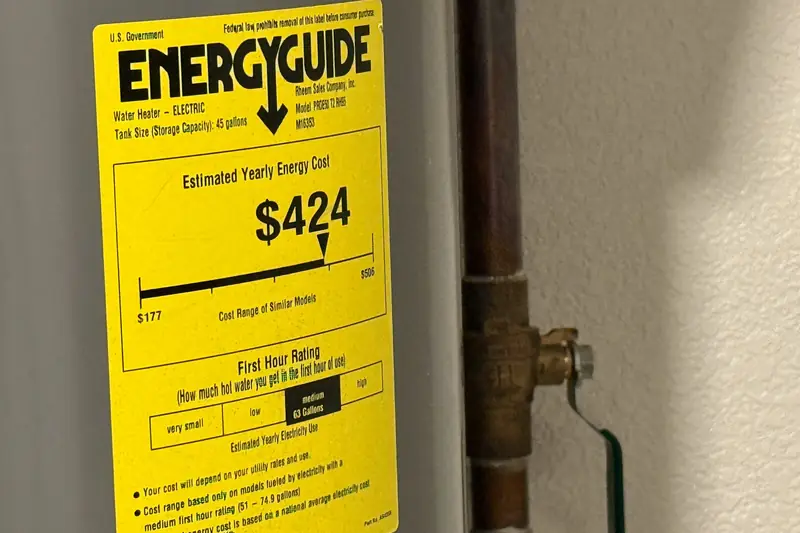
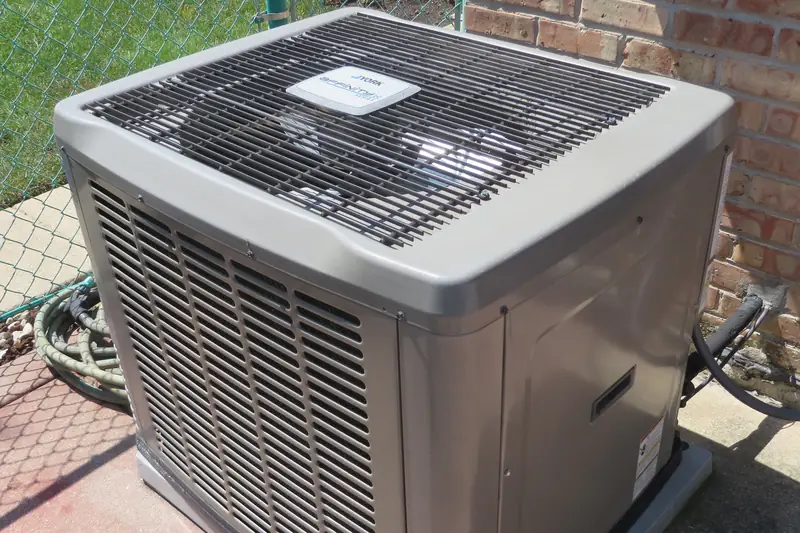
Equipment size, efficiency tier, ductwork and the installation extras drive HVAC costs far more than brand names. ENERGY STAR's hiring tips warn that "a lowest price may not be the best deal if it's not the most efficient because your energy costs will be higher" (ENERGY STAR). This site publishes no price ranges: no primary source does, and local labor sets most of the number.
Size should come from a Manual J load calculation, efficiency from the federal floor upward (see SEER2 regional minimums), and the rest from line items you can read.
Is there still a federal HVAC tax credit?
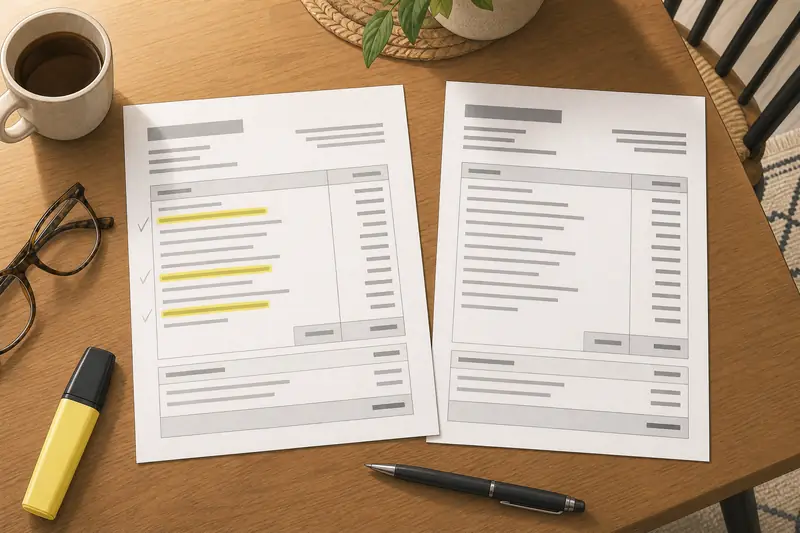
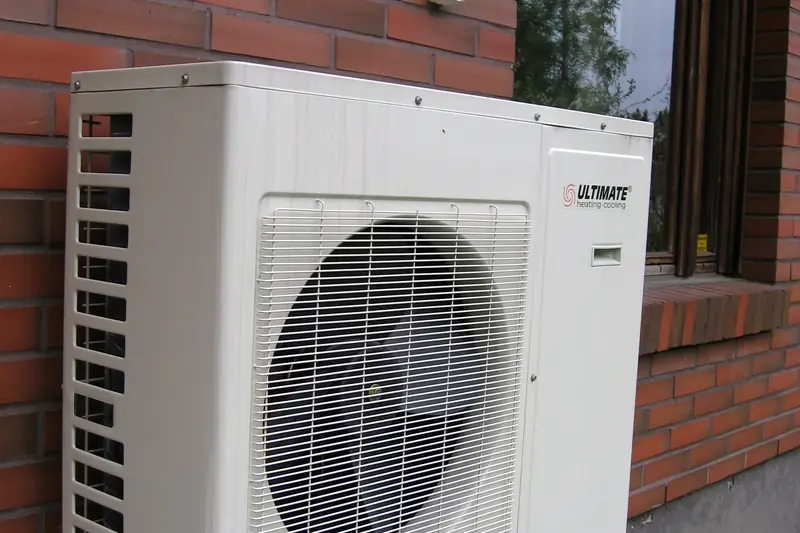
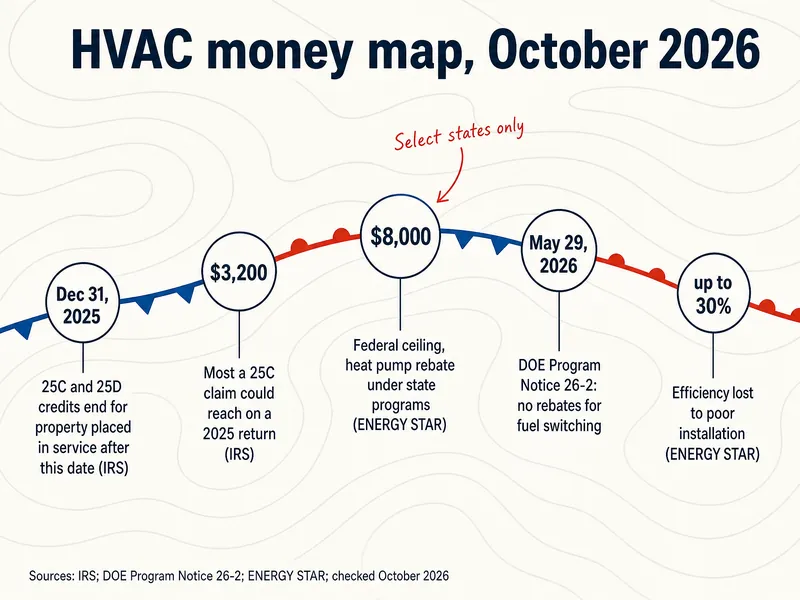
No federal HVAC tax credit covers equipment installed in 2026: 25C and 25D stopped with property placed in service, or installation completed, by December 31, 2025. Systems finished in 2025 are claimed on 2025 returns, and the IRS required each item's Qualified Manufacturer Identification Number (QMID) for 2025 claims. Under 25D, a 2025 deposit on a system completed in 2026 does not count, because the IRS treats the expenditure as made when installation is complete.
Which rebates are left in 2026?
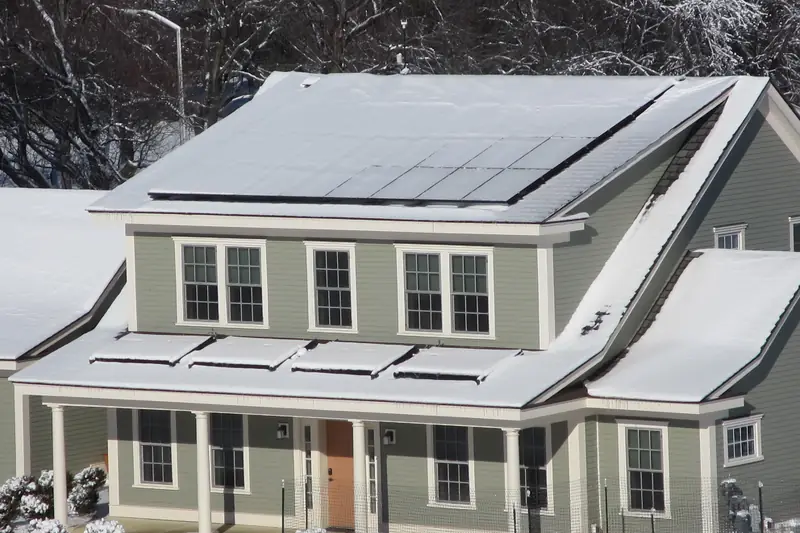
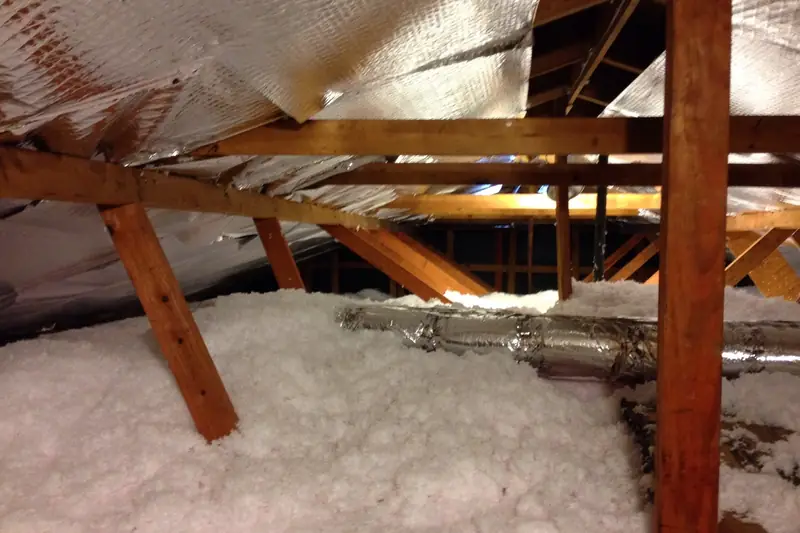
State-run Home Energy Rebates are left, with new limits: since DOE's Program Notice 26-2, the heat pump money is for upgrading existing electric equipment and to new construction, not to replacing a gas or oil furnace. The notice also requires insulation and air sealing before heating and cooling upgrades unless the home already meets a state-set level, and gave launched states three months to comply.
Income rules are unchanged: up to 100% of cost for households under 80% of area median income and up to 50% at 80 to 150%, per ENERGY STAR's program page. DOE tells readers to contact their state energy office for status, and this site names no state as live.
| Program | Status for 2026 installs | Most it pays | Who runs it |
|---|---|---|---|
| 25C Energy Efficient Home Improvement Credit | Ended after Dec 31, 2025 | $3,200 a year on 2025 returns | IRS |
| 25D Residential Clean Energy Credit (geothermal) | Ended after Dec 31, 2025 | 30% of cost on 2025 returns | IRS |
| High-Efficiency Electric Home Rebates (renamed from HEAR) | Select states; no fuel switching since May 29, 2026 | $8,000 heat pump; $14,000 per household | State energy offices |
| HOMES whole-home rebates | Select states | Up to $8,000, per DOE | State energy offices |
Money figures on the record
- Dec 31, 2025Final day a 25C or 25D project could be finished and in useIRS
- $3,200Most a 25C claim could reach on a 2025 returnIRS
- $8,000Federal ceiling, heat pump rebate under state programsENERGY STAR
- $14,000Combined federal rebate cap for one householdENERGY STAR
When does repair beat replace?
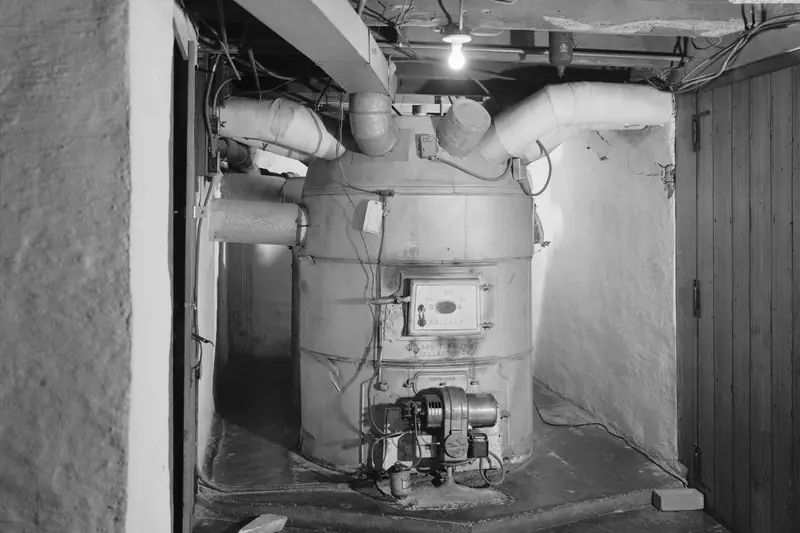
Repair beats replace when the system is under ENERGY STAR's 10-year (AC, heat pump) or 15-year (furnace, boiler) prompts and the failure is a small, common part. EPA confirms an existing R-410A system may still be fixed, even with a major part such as a compressor (EPA FAQ), so the refrigerant change alone is no reason to replace.
Which extras show up on the bill?
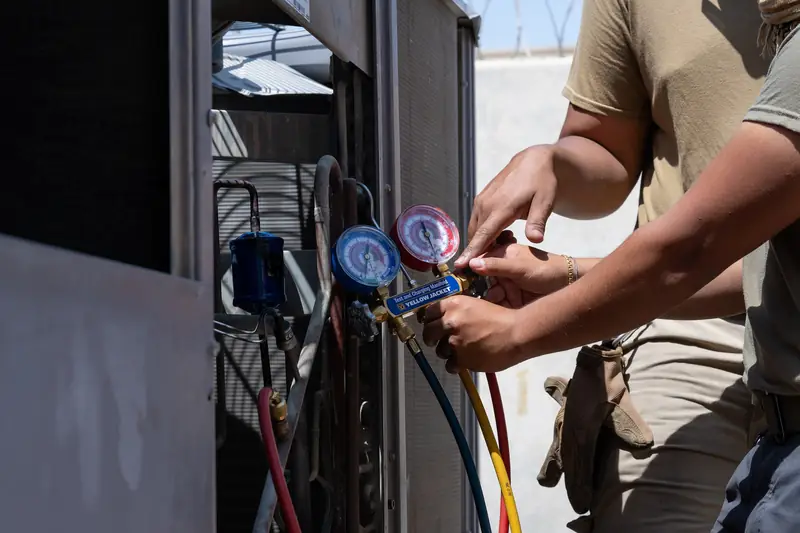
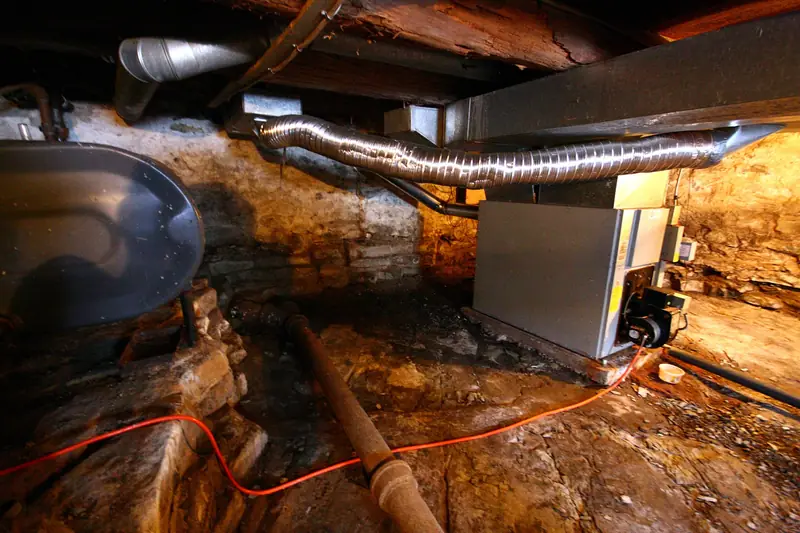
Line sets, pads, condensate pumps, thermostats, disconnects, permits and haul-away are the extras that show up most, and each should be its own line. A heat pump manual from Daikin, for example, points out that many local codes want a disconnect switch close to the outdoor unit (Daikin), and each city or county sets its own permit rules.
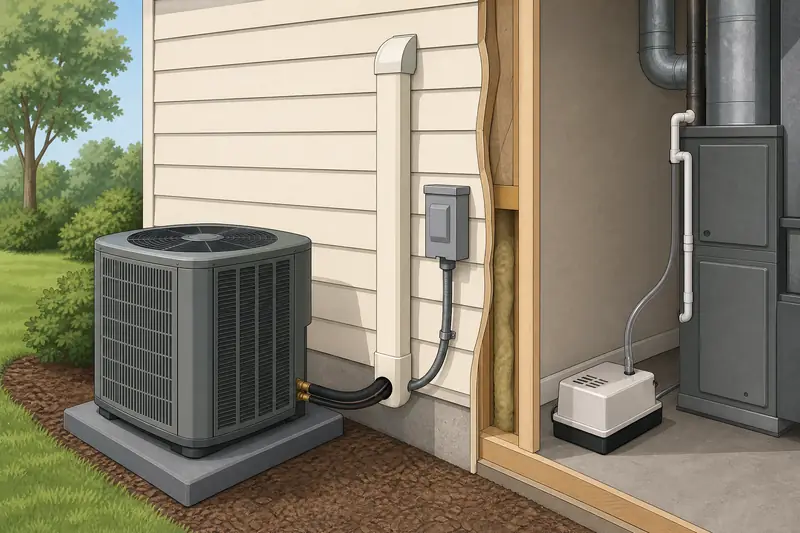 Costs and credits: Installation extras: line sets, pads and pumps
 Rules and safety: HVAC permits and inspections
 Quotes: Warranty registration
Observation notes
This hub draws on the IRS 25C page and the IRS questions-and-answers on the July 2025 law, the DOE rebate program page and its May 2026 notice, ENERGY STAR's rebate, replacement, installation and hiring pages, EPA's HFC phasedown FAQ and Daikin installation instructions, checked in October 2026. Price ranges for installs and repairs are left out because no primary source publishes them; state rebate status is left to each state energy office.
Outlook questions
Can I still claim 25C if my system went in during 2025?
Yes, on your 2025 return, if the equipment qualified and you report the maker's QMID. The credit was 30% of qualified costs within the caps, up to $3,200 in total.
Will Congress bring the HVAC tax credit back?
Nothing on irs.gov as of October 2026 says so. This hub will change if a new law or IRS notice appears.
Which 2026 incentives still touch a gas-to-heat-pump switch?
The federal program dropped that swap. DOE's May 2026 notice limits HVAC rebates to replacing existing electric equipment (plus new construction). Separately funded utility or state offers may differ; your state energy office and utility can say.
Do rebates require insulation first?
Usually. The 2026 notice puts insulation and air sealing ahead of HVAC upgrades, except where a home already reaches the level its state sets.
Does financing change what a system costs?
It changes when you pay and adds interest or fees; the equipment and installation price stay the same. Compare the cash price on each quote before comparing payment plans.
Is the cheapest quote the best value?
Not always. ENERGY STAR notes a lower price can cost more over time if the system is less efficient, and poor installation can reduce efficiency by up to 30 percent.