HVAC Permits and Inspections
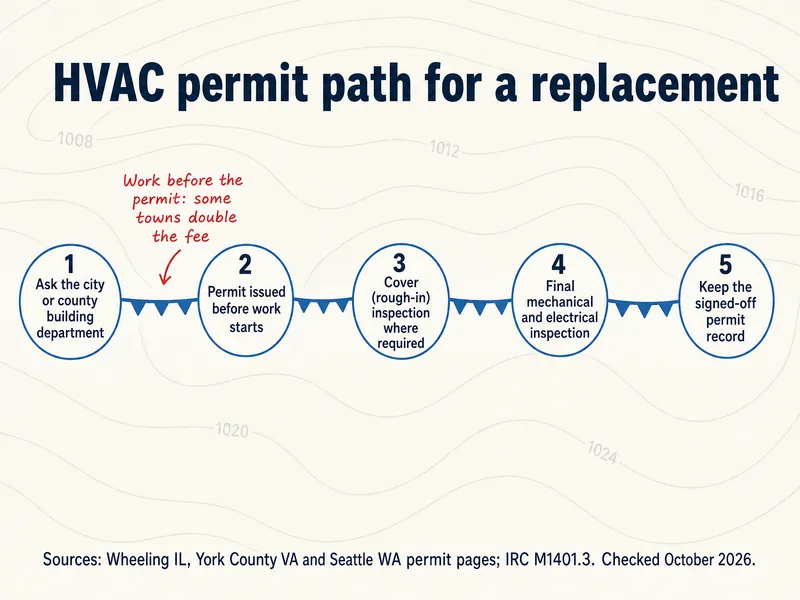
Does an HVAC replacement need a permit? Usually yes: many cities and counties require a mechanical permit and a final inspection for a new furnace, AC or heat pump, though the rules are local.
Read against its sources by The Second Bid · how pages are checked · Updated
Permit rules from local and code sources
- 2final inspections Wheeling, IL lists for a furnace or AC replacement: mechanical and electricalVillage of Wheeling
- 24 hoursminimum notice Wheeling asks for each inspectionVillage of Wheeling
- 2xpermit fee when work starts before the permit, Conway, AR (2010 ordinance)City of Conway
- 48 monthshow long installers in southern states must keep central AC install records10 CFR 429.142
Do HVAC replacements need permits and inspections?
In most places a furnace, boiler, AC or heat pump replacement needs a mechanical permit, but the answer is set by your local building department. Wheeling, Illinois puts it simply: "A building permit is required for the replacement, installation, remodeling, or alteration of a residential furnace and/or air conditioning unit." Hastings, Minnesota lists furnace, boiler and AC replacement among jobs that need a mechanical permit.
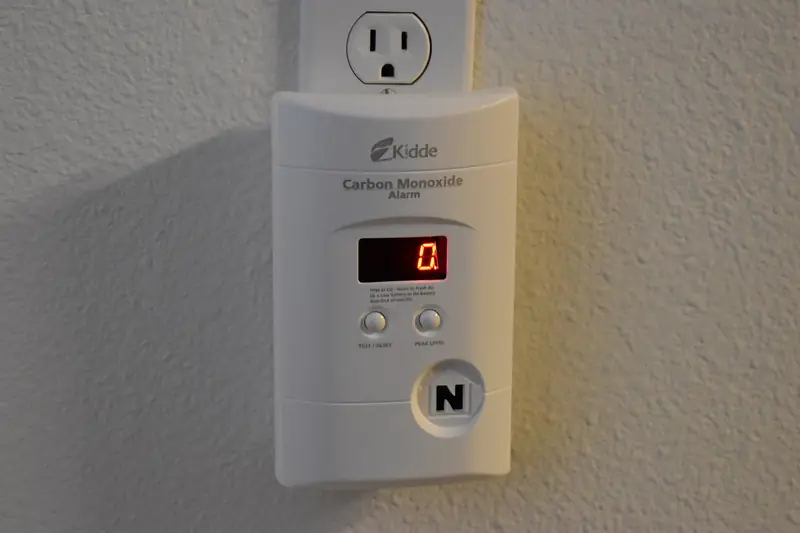
Others draw lines by fuel. York County, Virginia says "Permits are not required when replacing a like-for-like electric condensing unit or air handler," yet requires one for "Replacing any fuel-fired furnace," for any new flue or vent, and for a furnace that switches fuel. Fuel-burning equipment adds venting and gas piping, where carbon monoxide is the hazard; carbon monoxide safety covers that side.
| Jurisdiction | Furnace replacement | AC or heat pump replacement | Inspections named |
|---|---|---|---|
| Wheeling, IL | Permit required | Permit required | Final mechanical, final electrical |
| York County, VA | Permit for any fuel-fired furnace | No permit for like-for-like electric condensing unit or air handler | Not listed on the page |
| Seattle, WA | Permit; homeowners may apply | Refrigeration permit for split heat pumps and AC | Cover inspection, final inspection |
| Hastings, MN | Permit required | Permit required | Rough-in for gas or duct work, gas-line air test if applicable, final mechanical |
Who pulls the HVAC permit?
Usually the installing contractor pulls the permit, because many jurisdictions tie mechanical permits to a license. Hastings asks that contractors "have a mechanical bond with DLI and a city contractor license," and accepts an "Owner Waiver if homeowner is completing the work themselves." Seattle says "You can get a furnace or mechanical STFI permit as a homeowner," and the same answer adds: "Only licensed refrigeration contractors can get a refrigeration license."
If a contractor asks you to pull the permit in your own name, ask why. An owner permit usually makes you the responsible party for the work and inspections. A quote should state who pulls the permit and that the fee is included or listed separately, which what an HVAC quote should include also checks.
Line to look for
On the quote
An example line such as "Mechanical and electrical permits pulled by contractor; fees included; final inspection scheduled by contractor" settles who does what.
Ask for
The permit number before work starts, and a copy of the final inspection sign-off when the job is done. Keep both with the warranty papers.
What does the inspector check?
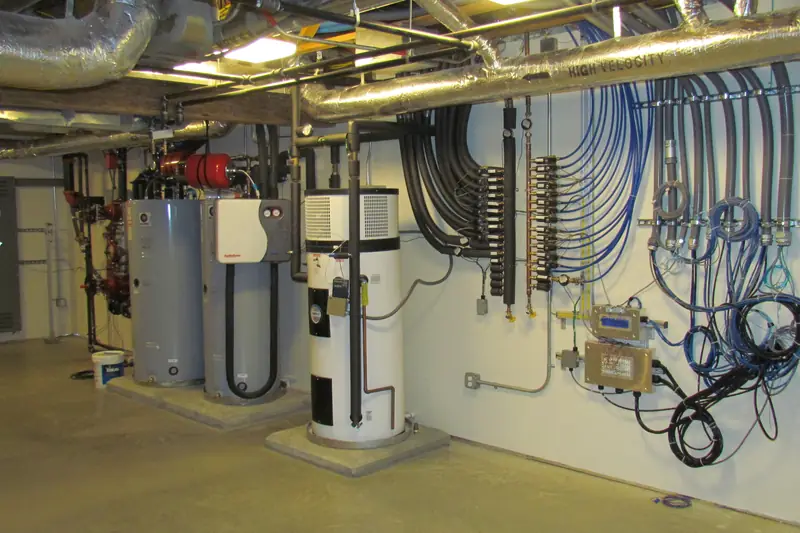
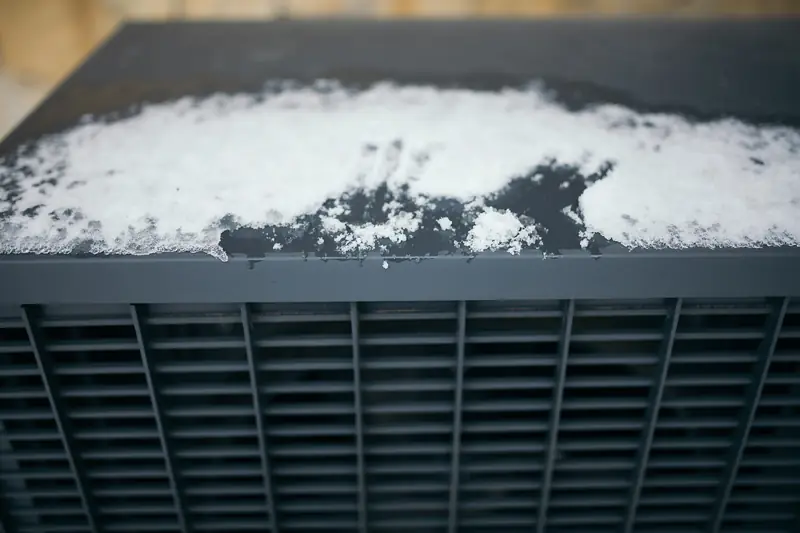
The inspector checks the installation against the locally adopted codes and the maker's instructions, not the price or brand. Wheeling's replacement page lists what it expects to see: furnace intake and venting "installed per the manufacturer's installation manual," vent piping "properly pitched and supported," breaker size "as specified on the furnace label," an electrical disconnect near the AC, and outdoor equipment "level and placed on a concrete slab."
Seattle describes two inspection types: a cover inspection once equipment and ducts are "roughed in" but before anything is covered, and a final inspection once the installation is complete. Inspections do not usually measure airflow, refrigerant charge or duct leakage unless local energy code requires it, so ENERGY STAR's quality installation checklist is still worth asking about: a duct leakage test and refrigerant charge "tests and adjusts" on start-up.
What does code say about sizing?
The International Residential Code requires load-based sizing. Section M1401.3, as quoted from the 2015 IRC by the Texas Department of Housing and Community Affairs, says equipment "shall be sized in accordance with ACCA Manual S or other approved sizing methodologies based on building loads calculated in accordance with ACCA Manual J." It has an exception for multistage and variable refrigerant flow equipment within the maker's published capacities.
Whether your jurisdiction asks to see the calculation on a replacement is local. York County lists a Manual J form, Manual D friction rate worksheet and Manual S among its submittals, but marks those for new construction. ACCA says a Manual J calculation "is required by national building codes and most state and local jurisdictions" (ACCA Manual J). Either way, ask for it: Manual J load calculation explains what it should contain and Manual D duct design covers the ducts.
What happens if work is done without a permit?
Skipping a required permit can mean penalty fees and an install that never had the inspector's safety check. Conway, Arkansas's 2010 fee ordinance says for "Work commencing before permit issuance Permit fee shall be doubled," and other towns set their own penalties.
The larger cost is what nobody checked: venting, gas piping, breaker size and clearances that a final inspection looks at. Where a cover inspection is required, as in Seattle, it has to happen before anything is closed in. A contractor who suggests skipping the permit to save money is a quote red flag. If you're unsure whether past work was permitted, ask your building department whether it keeps permit records by address.
How do you look up your local rules?
Search your city or county name with "mechanical permit," and use the page on a .gov or official municipal domain. Look for four things: which jobs need a permit, who may apply, which inspections are required and how to schedule them.
Then ask the installer the same questions in writing, and check their license with your state; ENERGY STAR's hiring tips say to "Find out about license and insurance requirements for contractors in your state." If a state energy rebate is involved, the program may require a permit or final inspection as proof; home energy rebates covers those programs.
Observation notes
This page reads permit pages from the Village of Wheeling (IL), York County (VA), the City of Hastings (MN) and Seattle's Department of Construction and Inspections (WA); Conway, Arkansas's 2010 fee ordinance; IRC M1401.3 as quoted in a Texas TDHCA 2016 memo; ACCA's Manual J page; DOE's 10 CFR 429.142; and ENERGY STAR's hiring and quality installation pages, all read October 27, 2026. Left out: a national rule on permits (none exists), permit fee amounts, install cost ranges, and the 2021 IRC text (not verified).
Outlook questions
Is a permit needed to replace just the outdoor AC unit?
It depends on the jurisdiction. York County, Virginia exempts a like-for-like electric condensing unit, while Wheeling, Illinois requires a permit for any AC replacement. Ask your building department.
Does a ductless mini-split need a permit?
Often yes, because it is new mechanical and electrical work. Seattle, for example, requires a refrigeration permit for any job with refrigeration piping.
Can a homeowner pull a permit and hire someone else to do the work?
Rules vary, and an owner permit generally makes you responsible for the work and inspections. Many places expect the licensed installer to pull the permit.
Who schedules the inspection?
Usually whoever holds the permit. Wheeling asks for at least 24 hours' notice; Seattle schedules same-day if booked before 7:00 a.m.
Does a permit inspection check the refrigerant charge?
Not usually. Inspectors check code items such as venting, electrical and clearances; ask the installer for start-up readings for the charge.
Does code require a Manual J for a replacement?
IRC M1401.3 requires Manual S sizing from Manual J loads, but local adoption and enforcement differ, and some places ask for the forms only on new construction.
What should I do if past HVAC work had no permit?
Ask your building department how it handles work done without a permit; procedures and fees are local. Where venting or gas piping is involved, have a licensed HVAC technician look at it.
Further along the front