Folder · 6 pages
Home Heating and Cooling Systems Compared
Heating and cooling systems for US homes come down to six choices: heat pump, gas furnace, dual fuel, ductless mini split, boiler, and the humidifier that rides on the ducts; most carry a federal efficiency rating to read.
Read against its sources by The Second Bid · how pages are checked · Updated
Which home heating and cooling systems fit which homes?
The system that fits is set by three facts about the house: whether it has ducts in good shape, how cold the winter design temperature is, and which fuels are on site at what price. ENERGY STAR's hiring advice is to have the contractor size the system "based on the size of your house, level of insulation, and windows" (10 tips), and the same facts pick the type.
| System | Heats with | Cools | Rating to read | Fits best |
|---|---|---|---|---|
| Air-source heat pump | Electricity, moving outdoor heat | Yes | SEER2, HSPF2 | Ducted homes, mild to cold winters with the right model |
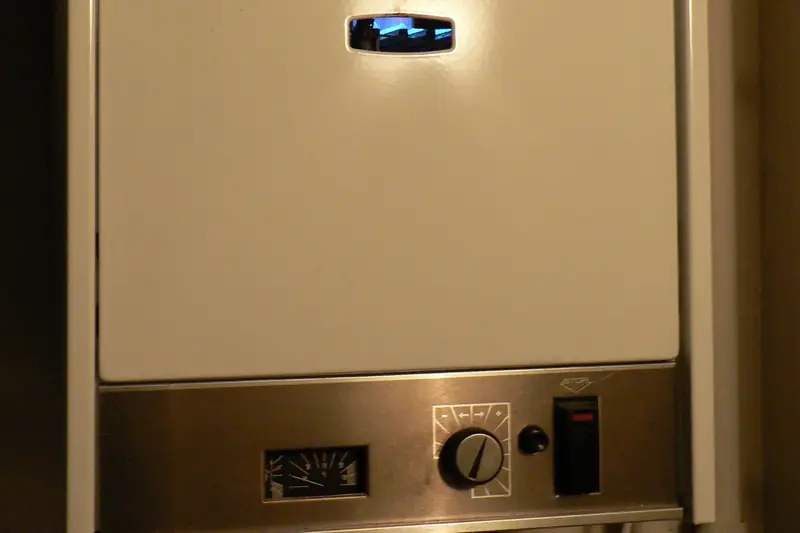
| Gas furnace | Natural gas or propane | No (add an AC) | AFUE | Ducted homes with gas and long cold winters |
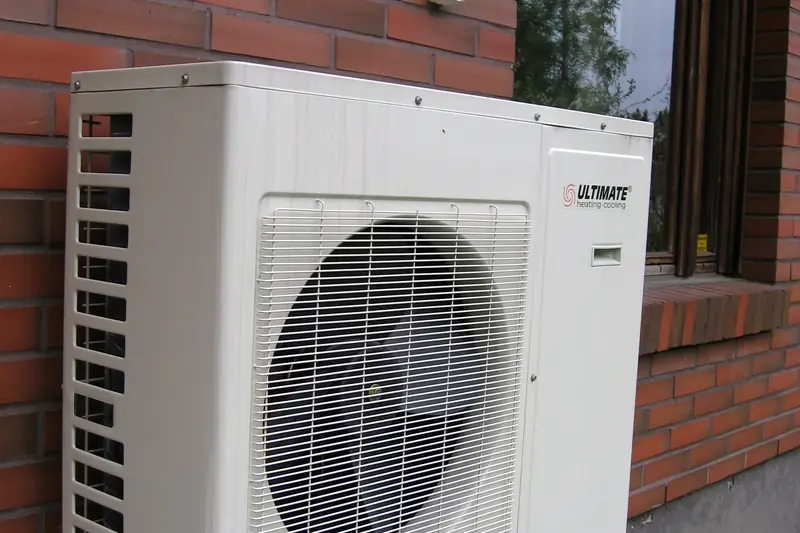
| Dual fuel | Heat pump plus furnace | Yes | SEER2, HSPF2, AFUE | Ducted homes with gas that want a heat pump |
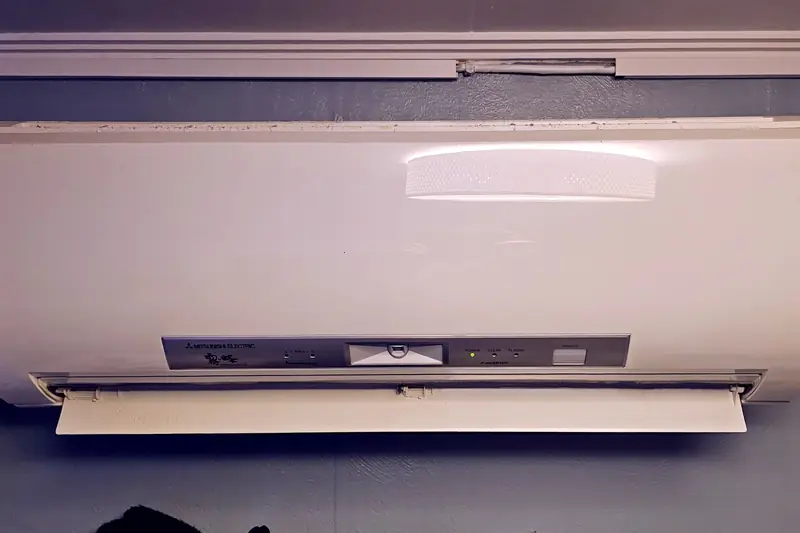
| Ductless mini split | Electricity, moving outdoor heat | Yes | SEER2, HSPF2 | Homes or rooms without ducts |
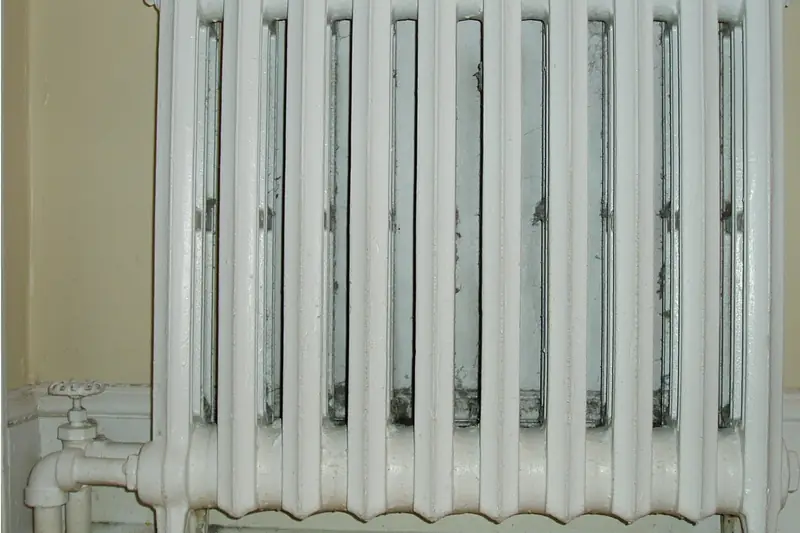
| Boiler | Gas, oil, propane or electricity, heating water | No | AFUE | Homes with radiators, baseboard or radiant floors |
| Whole-home humidifier | Adds moisture to ducted air | No | Maker's capacity | Dry winter air in ducted homes |
The links below take each choice in turn.
Heat pump or furnace?
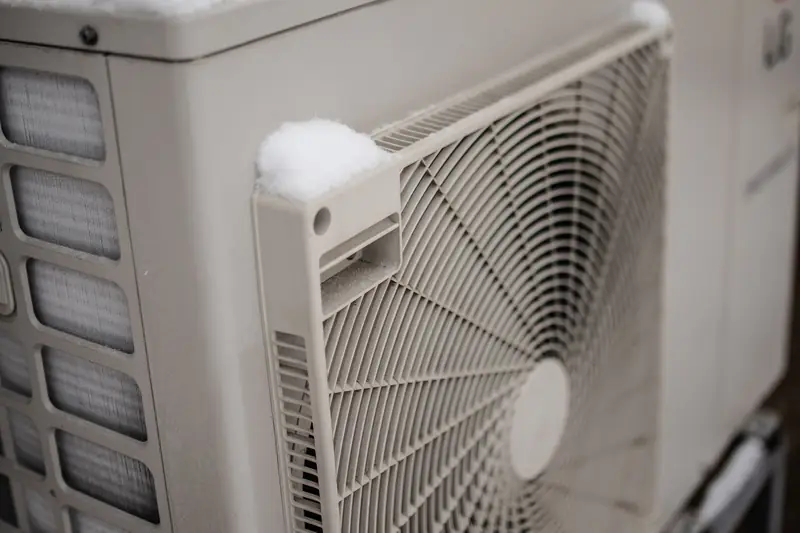
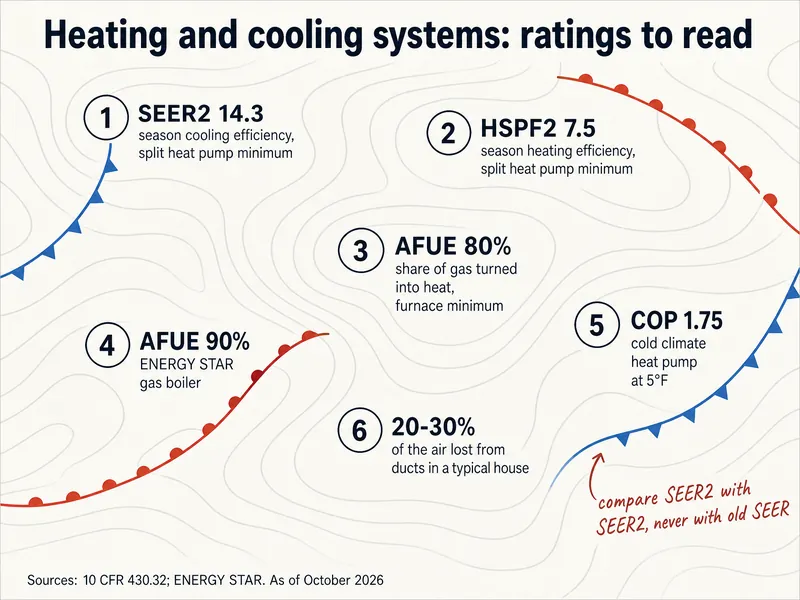
A heat pump wins on efficiency against electric resistance heat, by about 50 to 65% according to DOE, while a gas furnace's case rests on gas prices and cold-weather output. Under 10 CFR 430.32 the federal floor for indoor gas furnaces is 80% AFUE today; the CFR lists 95% for units built from December 18, 2028, with that date under a delay petition that DOE published for comment on April 27, 2026.
For a heat pump in a cold region, the sizing step decides the answer: its output at the design temperature has to meet the heating load or lean on backup heat.
When does dual fuel make sense?
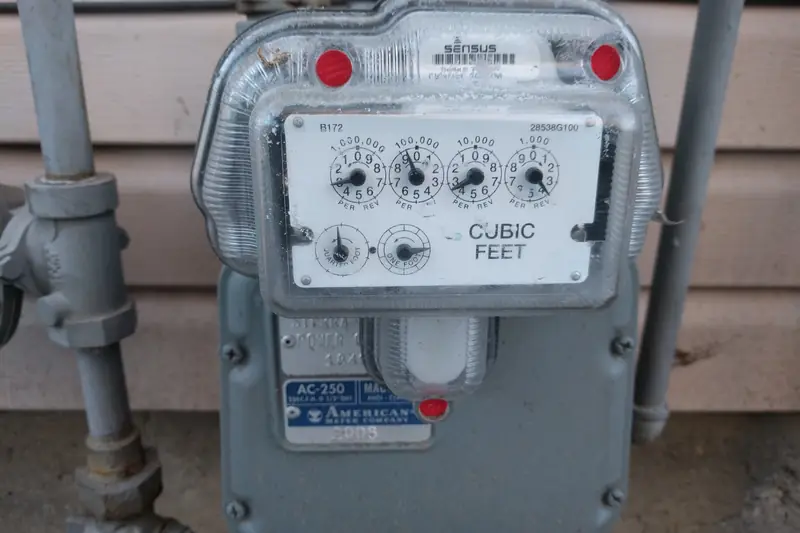
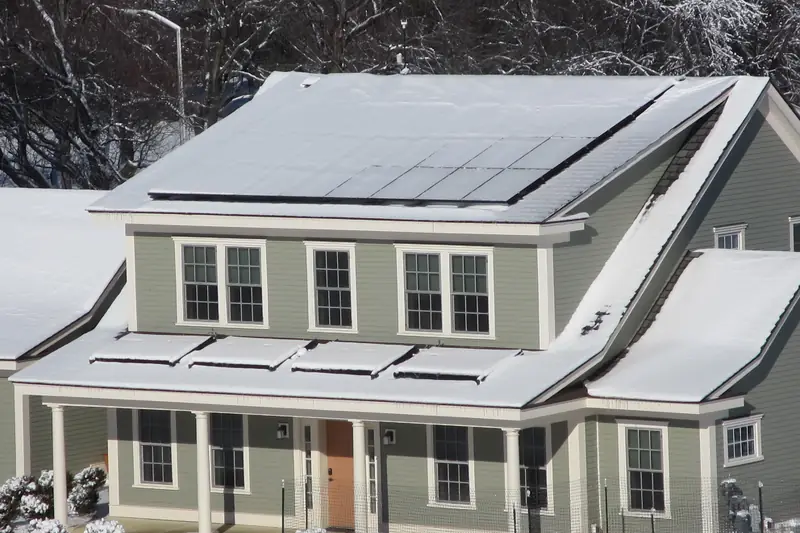
Dual fuel makes sense when a home has gas, needs cooling, and faces winters where a lone heat pump would depend heavily on backup heat. ENERGY STAR describes adding a heat pump to a furnace as a dual fuel system "for a modest extra cost over an AC system" (air-source heat pumps), and the thermostat switches between the two at a temperature set from the balance point and local prices.
Where do mini-splits and boilers fit?
Mini splits fit homes and rooms without ducts, and boilers fit homes heated by water through radiators, baseboards or floor tubing. ENERGY STAR puts certified mini splits' energy saving at up to 60% next to ordinary electric radiators (ductless heating and cooling); DOE's 2022 Energy Saver booklet describes boilers as heating water "distributed via pipes to upright radiators, baseboard convectors, or radiant floor tubing."
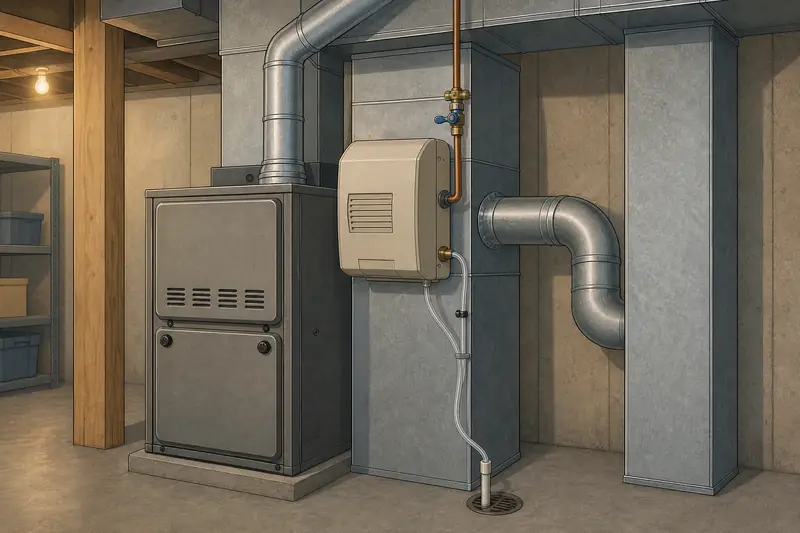
A home with a boiler and no ducts often adds mini splits for cooling. Ducted homes with dry winter air may add a whole-home humidifier; EPA advises against humidifying above 50 percent relative humidity.
What do the efficiency ratings mean?
SEER2 is season-long cooling efficiency, HSPF2 season-long heating efficiency for heat pumps, EER2 cooling efficiency at one hot test point, and AFUE the share of fuel a furnace or boiler turns into heat. The "2" ratings came in with DOE's appendix M1 test on January 1, 2023, and the 2017 final rule says they "generally have different numerical values" than the old ones, so compare SEER2 only with SEER2.
Ratings and figures with a source
- 14.3 / 7.5minimum SEER2 / HSPF2, split heat pumps10 CFR 430.32
- 80%minimum AFUE, indoor (non-weatherized) gas furnaces10 CFR 430.32
- 90%ENERGY STAR minimum AFUE, gas boilersENERGY STAR
- 1.75ENERGY STAR cold climate heat pump COP at 5°FENERGY STAR
- 20-30%of duct air lost in a typical houseENERGY STAR
Regional rules sit on top: in the Southeast and Southwest, split ACs need higher SEER2, and the Southwest adds EER2 floors.
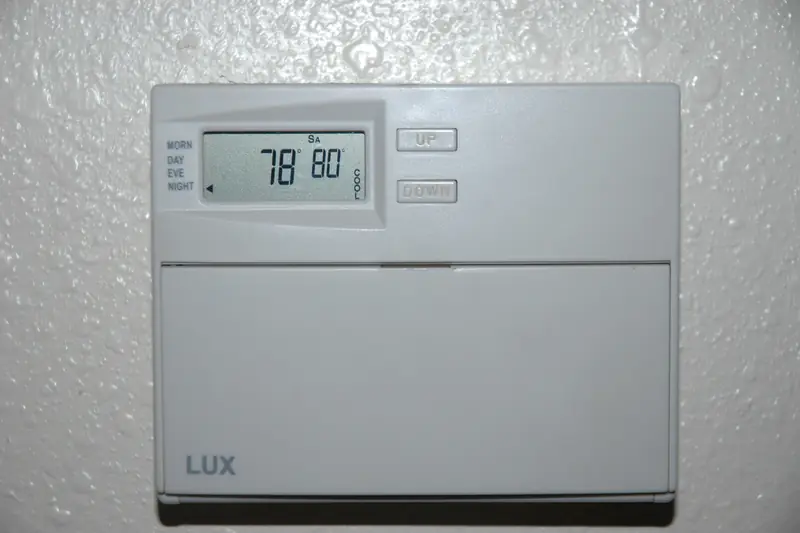 Rules and safety: SEER2 regional minimums
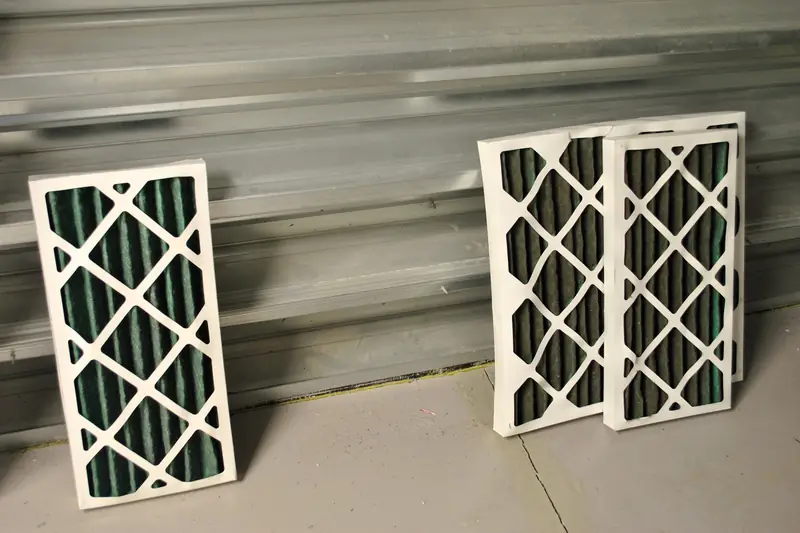 Systems: Furnace AFUE ratings
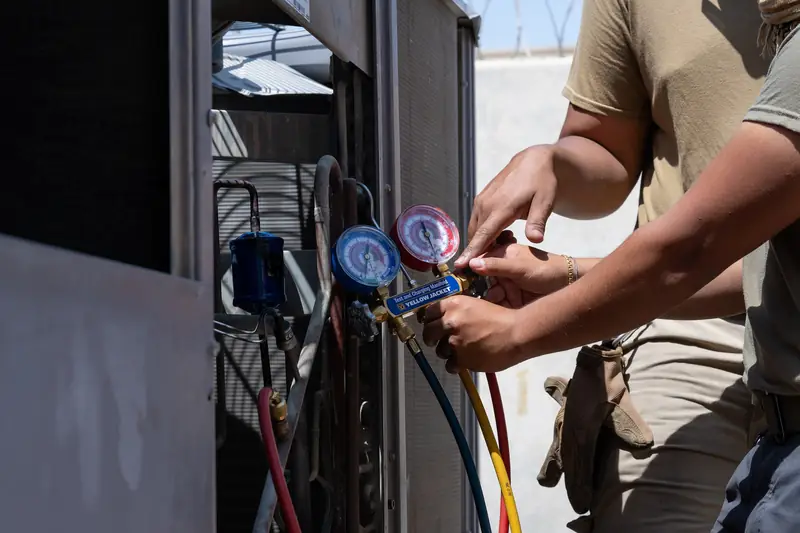 Rules and safety: The refrigerant transition
Observation notes
This hub summarizes the system pages in this folder and the documents behind them: 10 CFR 430.32 (eCFR, October 2026), DOE's 2017 appendix M1 rule and April 27, 2026 petition notice, ENERGY STAR's heat pump, furnace, boiler, ductless and duct sealing pages, the DOE home upgrades page and DOE's 2022 Energy Saver booklet, and EPA's mold and moisture page, read in October 2026. Left out: cost ranges, brand rankings and running-cost claims that depend on local fuel prices.
Outlook questions
Which heating system is the most efficient?
By rating, a heat pump delivers more heat than the electricity it uses, which no furnace or boiler can match in energy terms. Which is cheapest to run depends on local electric and fuel prices.
Can a home have two heating systems?
Yes. Dual fuel pairs a heat pump with a furnace on one set of ducts, and homes with boilers often add ductless mini splits for cooling and shoulder-season heat.
Is SEER2 the same as SEER?
No. SEER2 comes from DOE's appendix M1 test, mandatory since January 1, 2023, and its numbers are generally different from the old SEER for the same unit. There is no fixed conversion factor.
Do I need ducts for a heat pump?
No. Ductless mini splits are heat pumps that need no ductwork; ducted heat pumps use the same ducts a furnace and AC would.
What AFUE should a new gas furnace have?
At least 80% under today's federal floor; ENERGY STAR models are 97% or higher in northern states and 95% or higher in southern ones. The furnace AFUE page covers the 2028 standard.
Do these pages recommend brands?
No. The pages read ratings, rules and makers' documents; they don't rank brands or models.